Best Cat Litter: Bentonite vs Local
Ask any experienced cat owner in Pakistan what changed their daily life most, and many will say switching from sand or local clay to clumping bentonite litter. The difference is not subtle: less smell, less work, less waste. This guide compares the options honestly so you buy the right litter the first time.
The Two Worlds of Litter
Local non-clumping options, sand and basic clay, absorb urine until saturated and then smell; the whole box needs frequent full replacement. Clumping bentonite works differently: the clay swells on contact with moisture and forms tight solid clumps that you scoop out, leaving the remaining litter clean and fresh. The practical result is a box that stays usable for weeks with two minutes of daily scooping, against a non-clumping box that deteriorates within days. This is the core reason clumping litter dominates among committed cat owners despite costing more per bag.
Dust: The Hidden Health Factor
Cheap clay litters produce visible dust clouds when poured, and your cat breathes that dust with every dig. Low dust bentonite is processed and screened to minimise fine particles, which matters for kittens, asthmatic cats and the humans who scoop. Test any litter by pouring a scoop from waist height in good light: a heavy dust plume means a dusty litter. Good litters are selected for low dust, and the difference shows on your floors as well as in the air.
Odour Control: Scented vs Unscented
Real odour control starts with fast clumping and daily scooping; scent is the finishing layer. Lavender is the classic choice, effective and widely accepted by cats, and widely available in scented bentonite bags. Unscented bentonite suits sensitive cats and fragrance free homes, relying purely on clumping for odour management. Match the scent to your household: apartments with the box in the living area benefit most from scented, while dedicated laundry rooms do fine with unscented and good ventilation.
Real Value per Litre
Stop comparing bag prices and start comparing cost per litre and lifespan. Divide the bag price by the litres inside to compare fairly across sizes and brands, then weigh dust, odour control and clump strength alongside the number. A 10L bag lasts a single cat four to six weeks with proper scooping, so the monthly cost of clumping litter is a few hundred rupees, less than most owners spend on non-clumping clay replaced constantly. Factor in the saved time and the absent smell, and clumping wins on every axis.
Setting Up for Success
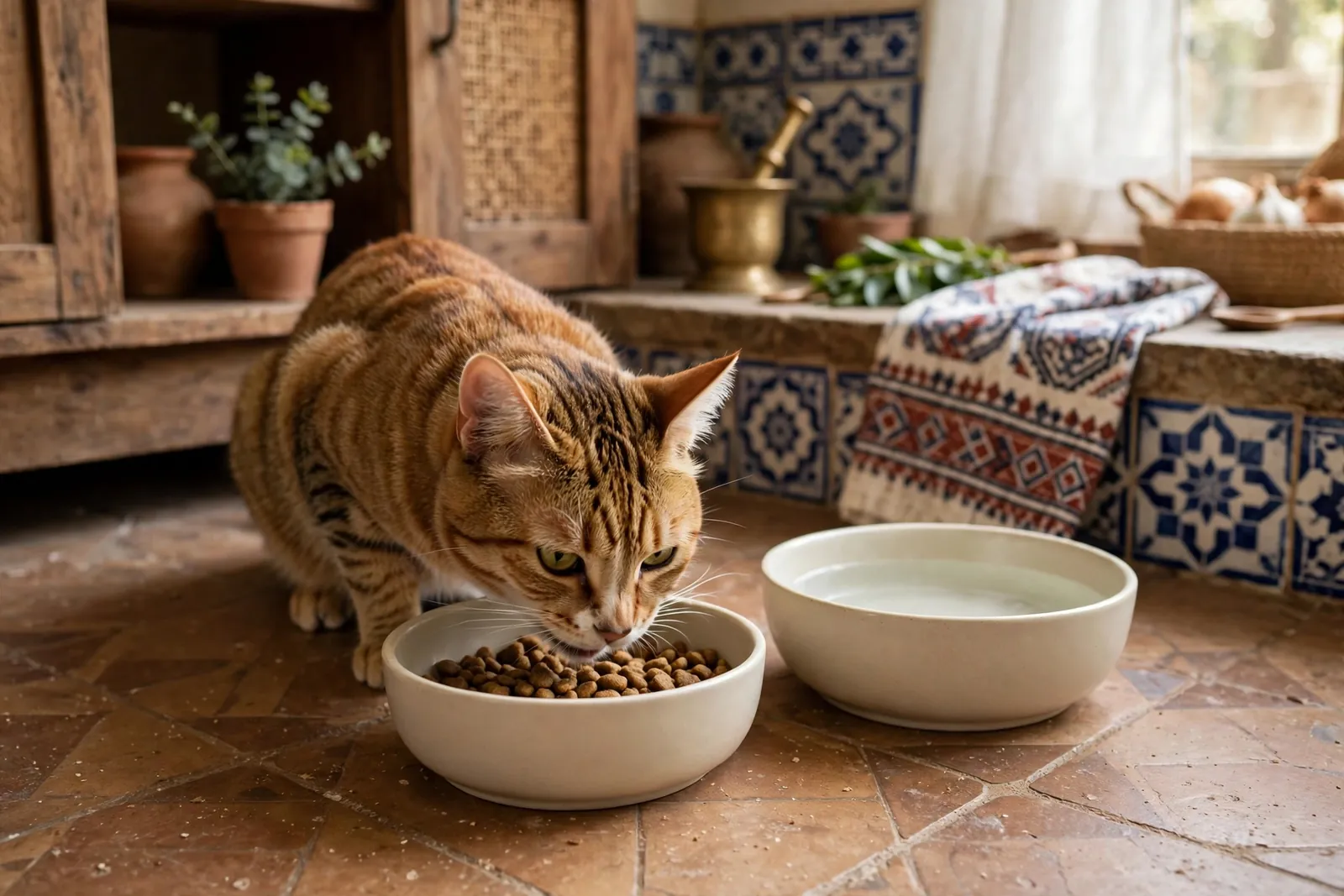
Fill the box 7 to 10cm deep; shallow litter cannot form proper clumps and you will blame the product for a setup problem. Scoop daily without exception, top up weekly to maintain depth, and do a full change monthly. Place the box in a quiet, ventilated spot away from the food and water bowls. For kittens and new cats, start with unscented fine granules, which are gentlest on little paws and noses. Multi-cat homes need one box per cat plus one extra as the standard rule, and the 10L bags become the economical choice fast.
Transitioning Your Cat to a New Litter
Cats are famously suspicious of change, and a sudden litter swap can cause box avoidance, which is the opposite of what you want. Transition over seven to ten days: start with three quarters old litter and one quarter new, then shift the ratio every few days until the box is fully new litter. Keep everything else constant during the switch, same box, same location, same depth, so the only variable is the litter itself. If your cat hesitates, slow down rather than forcing it; a relaxed transition beats a fast one every time. Kittens adapt quickest, seniors need the most patience, and multi-cat homes should transition all boxes together to avoid confusion. Once the switch is complete, most owners report the box smells better within the first week, which is the clumping and scooping routine doing its work. If a cat stubbornly rejects the new litter after two patient weeks, try a different texture or scent rather than forcing the issue; the best litter is the one your cat will actually use.
Our Recommendation
New to clumping litter: start with a small 5L trial bag and judge the clumping yourself. Convinced and buying monthly: a 10L bag for scented value, or an unscented 5kg bag. See the cat litter page for current stock before you order.
Frequently Asked Questions
How often should I scoop clumping litter?
Every day without exception. Daily scooping removes the source of odour and keeps the remaining litter clean, which is the whole point of clumping litter. Top up weekly to maintain 7 to 10cm depth, and do a full change monthly.
Is scented litter safe for kittens?
Unscented fine granules are the gentler choice for kittens, whose paws and noses are more sensitive. Start kittens on unscented litter and consider scented options once they are grown. For cats that hesitate at a new litter, transition slowly over seven to ten days.
How much litter does one cat use per month?
A 10L bag of bentonite lasts a single cat four to six weeks with daily scooping, so the monthly cost is a few hundred rupees. Multi-cat homes need one box per cat plus one extra, and the 10L bags become the economical choice fast.