Imported Dog Food in Pakistan: What to Look For Before You Buy
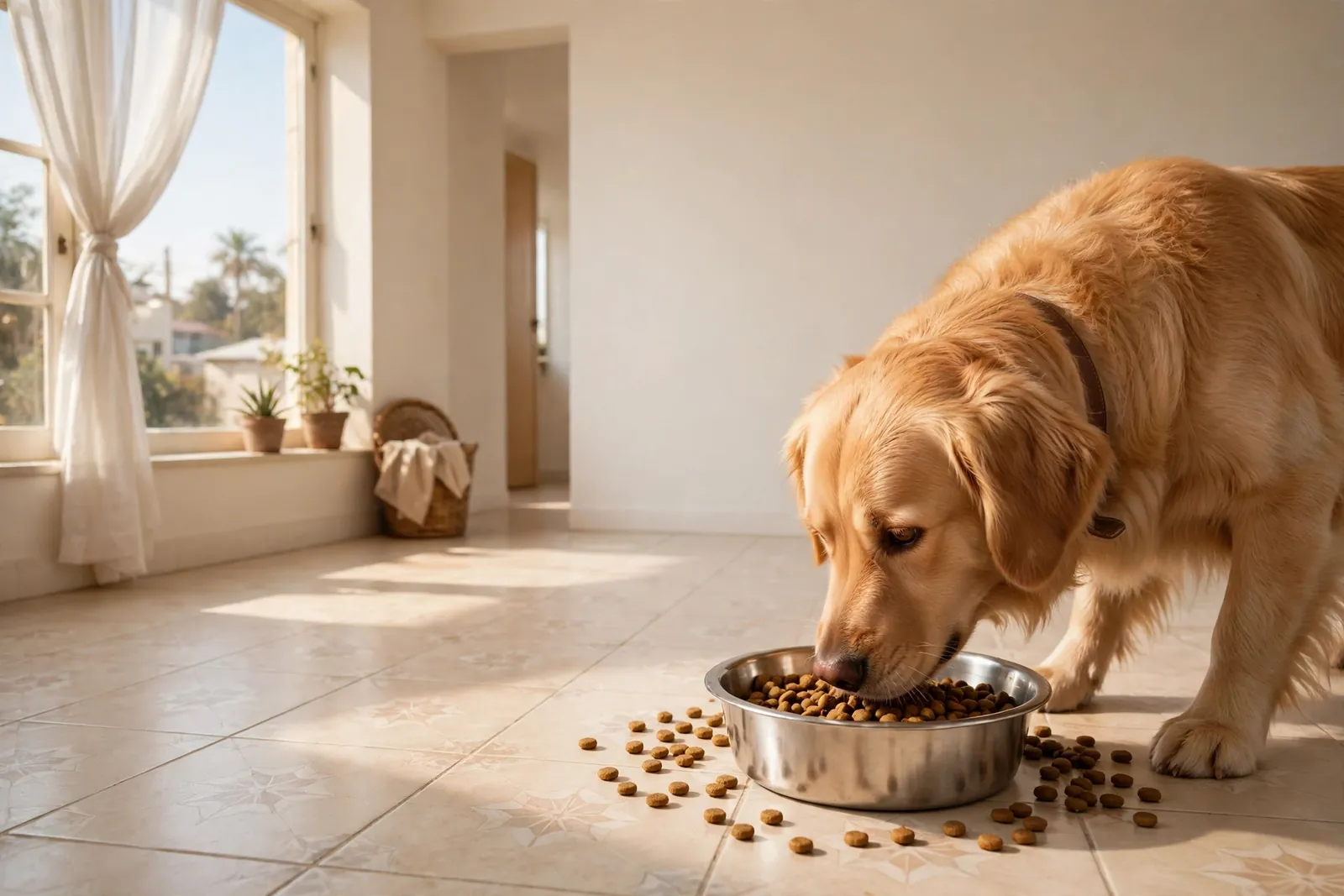
Walk into any pet shop in Karachi, from the pet lane near Empress Market to a small shop in Gulshan or DHA, and you will see the same wall: imported dog food bags stacked floor to ceiling, all promising a healthy dog. Puppy, adult, senior, large breed, grain free, chicken, lamb, salmon. The choice looks endless, and the bags all look trustworthy. Most of them are fine. Some are not what they claim to be. This guide helps you tell the difference before you pay.
In this guide:
- Start with Your Dog, Not the Bag
- Puppy, Adult, and Senior Formulas Explained
- Dry, Wet, and Mixed Feeding
- How to Read the Label in Two Minutes
- Spotting Fakes in the Local Market
- Storage in Pakistani Heat and Humidity
- Switching Foods Without Upsetting the Stomach
Start with Your Dog, Not the Bag
A bag of dog food is not good or bad on its own. It is right or wrong for one particular dog. A six month old Labrador puppy, a five year old rescue who sleeps most of the day, and a twelve year old Shepherd with stiff hips do not need the same food. Age decides the formula. Size decides the kibble size and the portion. Activity decides how much energy the food needs to carry. A guard dog that patrols a rooftop all night burns far more than a house dog that moves from the sofa to the balcony and back. Before you compare brands, answer three questions: how old is your dog, how big will it get, and how active is it on a normal day? Watch your dog for a week before you judge activity. Most owners overestimate it.
Puppy, Adult, and Senior Formulas Explained
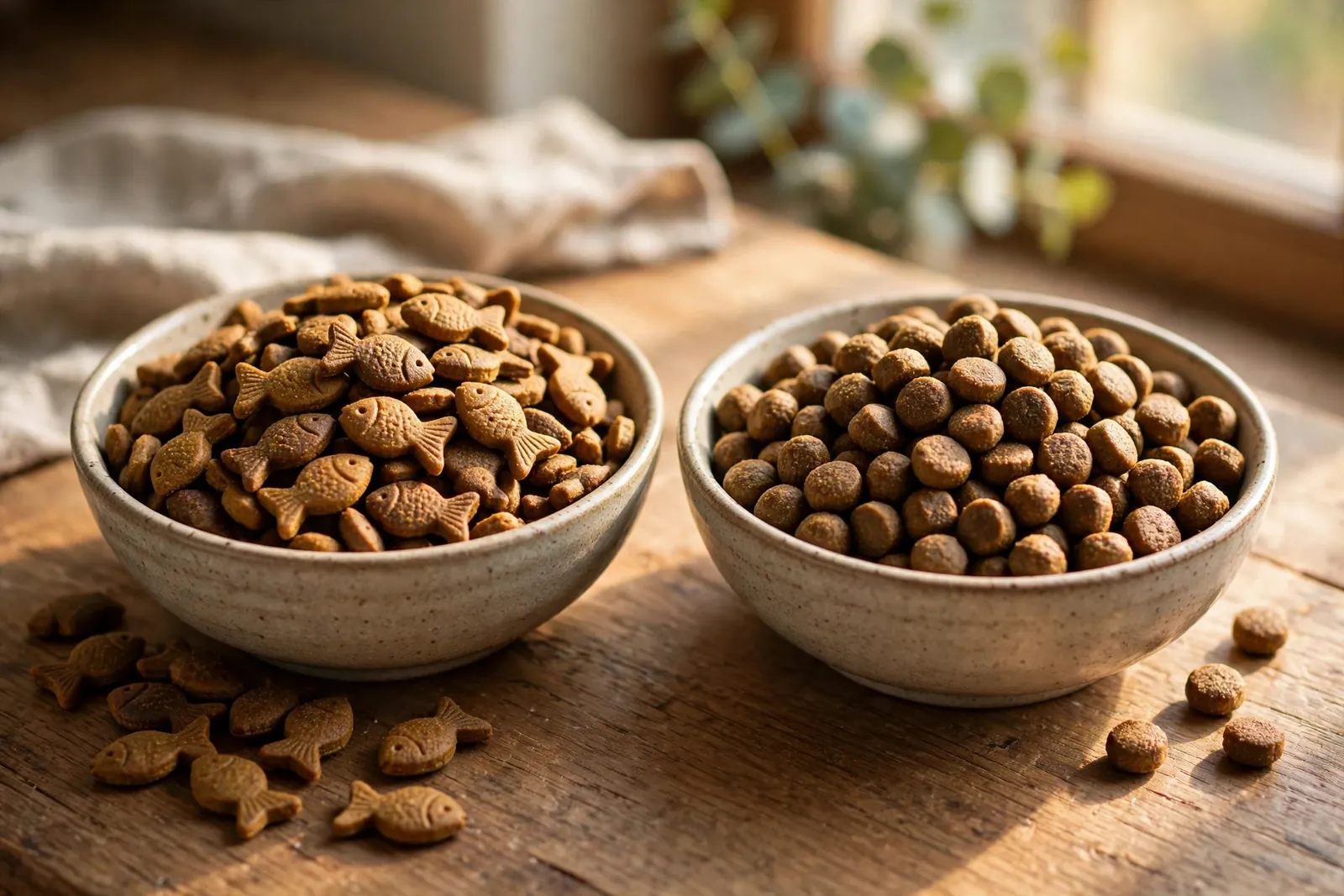
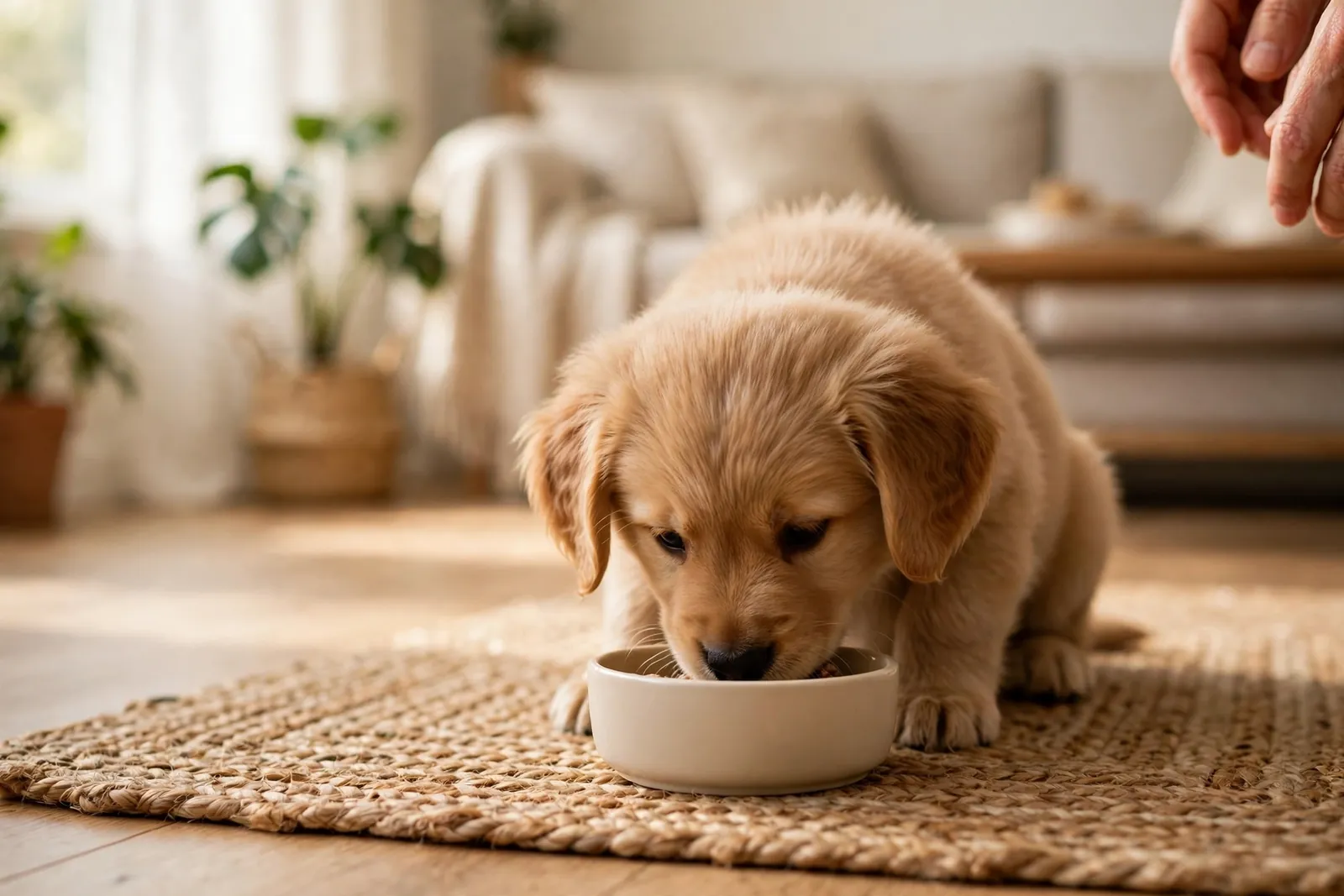
Imported ranges split by life stage for a reason. Puppy formulas are denser in calories and built for growth, with smaller kibble that small mouths can manage. They suit dogs up to about a year old, longer for large breeds. Adult formulas are maintenance food: steady energy, steady weight, nothing extra. Senior formulas are lighter, easier to chew, and gentler on joints and digestion for older dogs that move less and gain weight more easily. Breed size matters too: small and large breeds eat different kibble sizes, and large breed puppies need careful growth support, not just more food. If the bag says all life stages, it can work, but it is a compromise. A formula made for your dog's actual stage usually fits better. The same life stage thinking applies to cats, which is why our Me-O vs Whiskas buying guide starts with kitten, adult, and specialist ranges too.
Dry, Wet, and Mixed Feeding
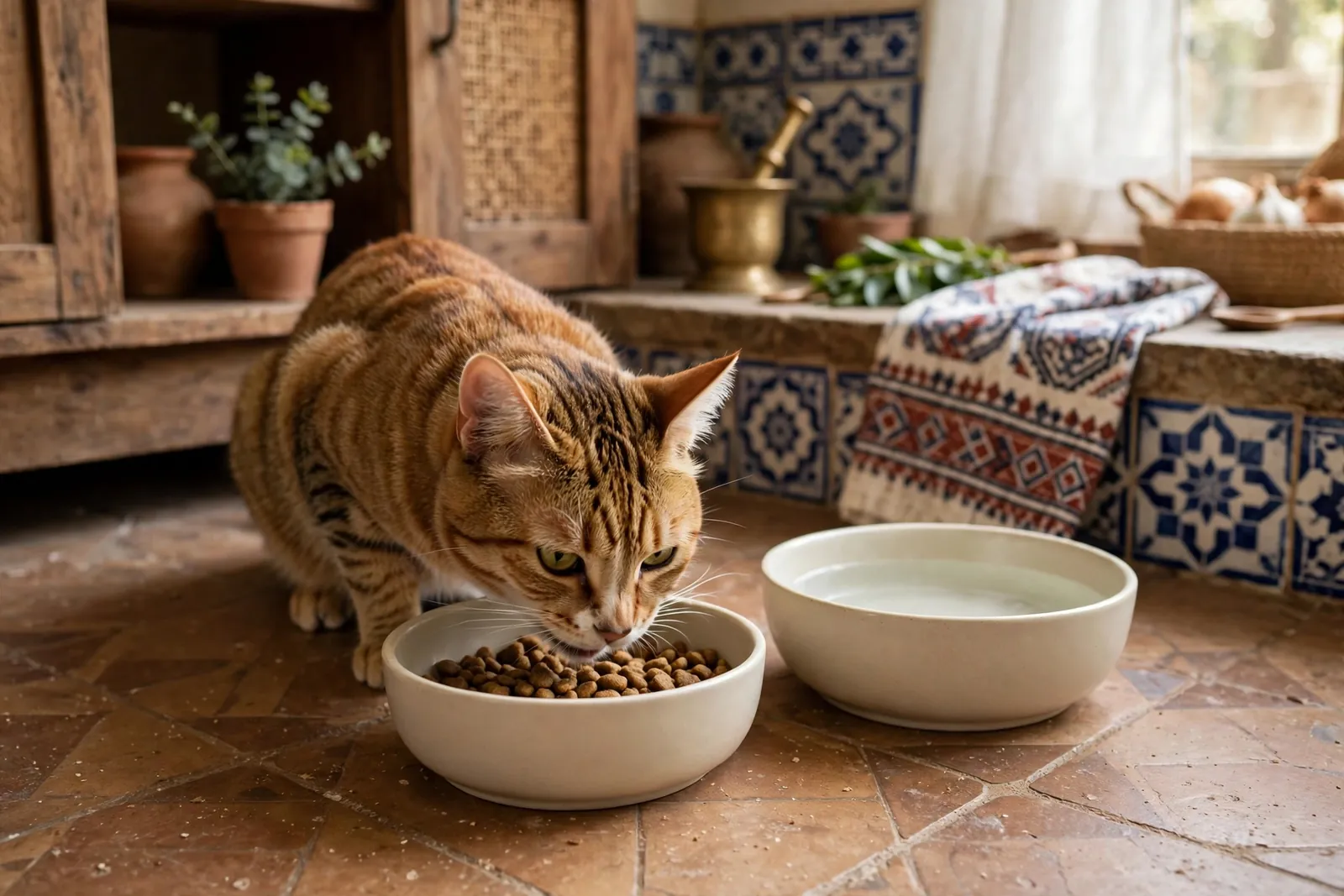
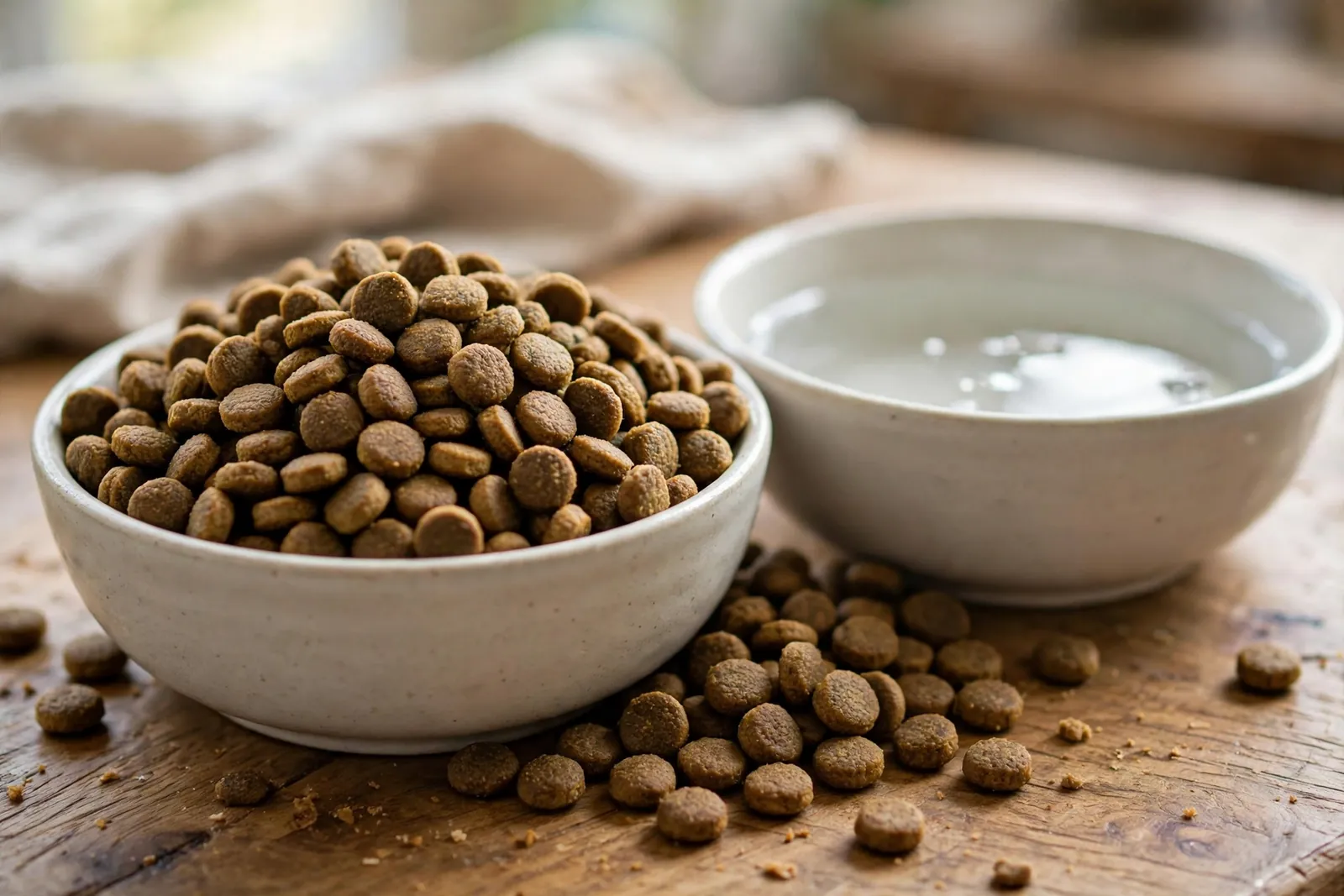
Dry kibble is the workhorse in Pakistani homes, and for good reason. It keeps well, it is easy to measure, it costs less per meal than wet food, and the crunch helps keep teeth cleaner. Its weakness is water. Kibble is dry, so a dog eating kibble alone must drink enough, and in a Karachi summer that is not automatic. Wet food, the tins and pouches, is mostly water, so it quietly tops up hydration and tempts dogs that have gone off their food in the heat. It costs more per meal, it spoils fast once opened, and an open tin needs the fridge and a quick finish. Most dogs do best on a mix: measured kibble as the daily base, with wet food added a few times a week or as a topper. The trade offs mirror what we found with cats in our dry vs wet cat food guide, though dogs drink more readily than cats. Whatever format you choose, fresh water beside the bowl matters more than any single bag.
How to Read the Label in Two Minutes
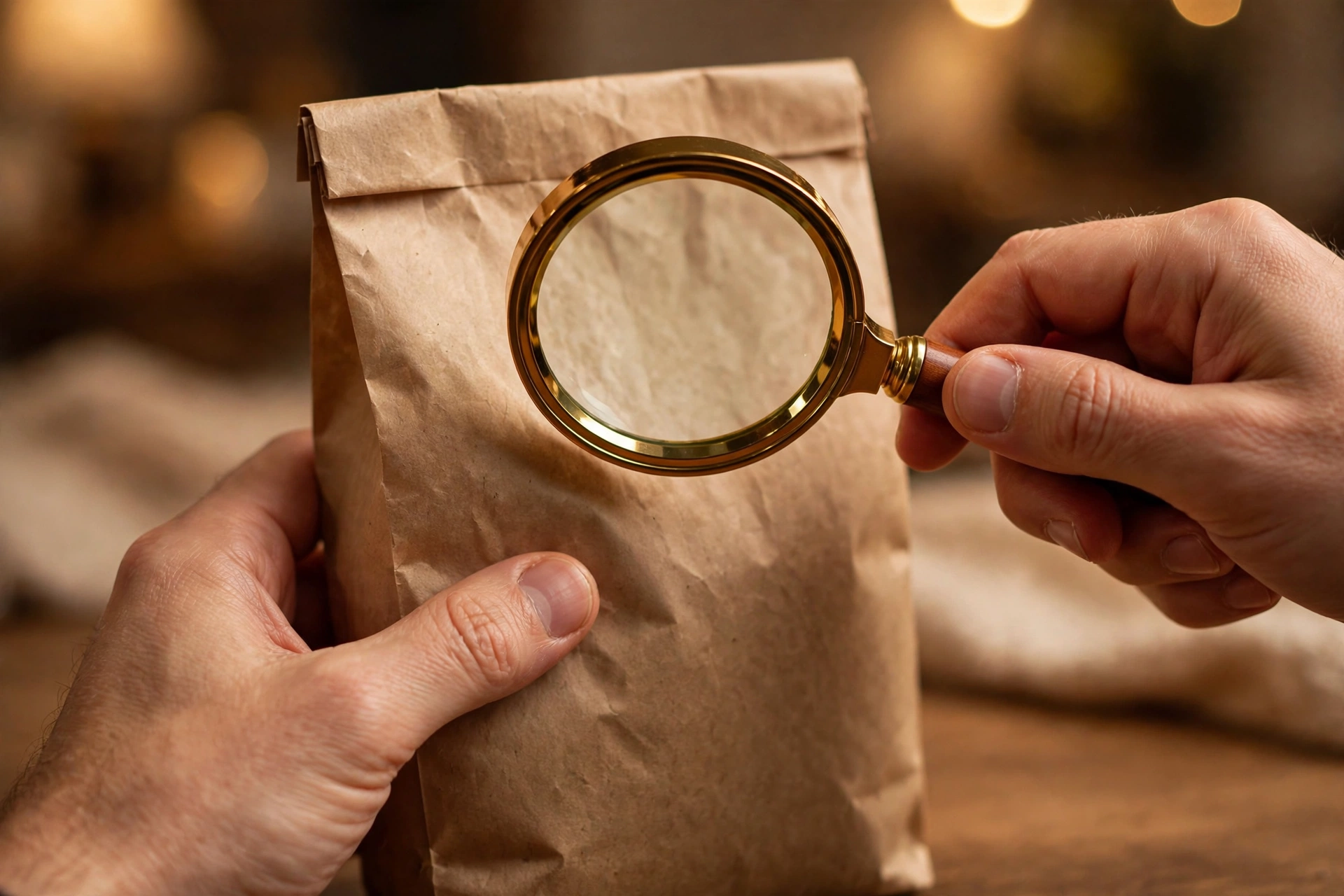
You do not need a nutrition degree to read a dog food label. Turn the bag around before you buy and start with the first ingredient. It should be a named meat, such as chicken, lamb, or fish, not a vague phrase like meat meal or animal derivatives. Next, look for the words complete and balanced, which mean the recipe is a full diet rather than a treat or a mixer. Then check the feeding guide against your dog's weight, not against how hungry your dog looks. Dogs beg, so trust the guide. Finally, check three things every time: the expiry date printed on the bag itself, not on a sticker pasted over it; the country of origin; and the importer sticker with a local company name and contact details. A genuine imported bag carries all three. If the date is smudged, the sticker is missing, or the print looks washed out, put the bag back. The same checks catch fake cat food too, as our guide to spotting fake Me-O and Whiskas explains.
Spotting Fakes in the Local Market
Fake and repacked pet food is a real problem in the local market, and dog food is no exception. The most common trick is the simplest: genuine looking bags refilled with cheaper kibble, or loose kibble scooped from an open sack and sold by weight in a plain plastic bag. Loose kibble tells you nothing. No expiry date, no batch, no way to know how long it sat open in the humidity. Do not buy it. Watch the seal. A genuine bag seals cleanly, with even print and sharp colours. A resealed bag often shows a second heat seal line, crinkled edges, or glue marks. Once you open a bag at home, the kibble should smell mildly meaty, not rancid or chemical, and the pieces should look even in size and colour. If a bag is far cheaper than every other shop selling the same size, ask why before you celebrate. Buy sealed bags from sellers who can name the importer and will still be there next week, the same standard we hold ourselves to across the Imported Bites shop.
Storage in Pakistani Heat and Humidity
Good food goes bad fast in our climate if you store it carelessly. Heat, humidity, and the monsoon season soften kibble, turn fats rancid, and invite insects. Keep the bag in a cool, dry cupboard, away from the stove and out of direct sun. Roll the top down tightly after every use and clip it shut, or decant the kibble into an airtight container and keep the original bag, with its batch and expiry details, until the food is finished. Do not store an open bag on a damp floor or in a store room that bakes all afternoon. An open bag kept properly stays fresh for about four to six weeks. Left open in humid air, it loses its crunch within days. Wet food follows stricter rules: serve it fresh, clear leftovers away within an hour in summer, and refrigerate an open tin covered, using it within a day or two. If the power goes out for hours, treat open wet food with suspicion and throw it away rather than risking it.
Switching Foods Without Upsetting the Stomach
Dogs hate sudden change, even change for the better. Swap the food overnight and you will usually get loose motions, a skipped meal, or both. Switch over seven to ten days instead. Start with mostly the old food and a little of the new, then increase the new share a bit each day. Watch the stools, the appetite, and the energy. A little softness in the first few days is normal. Persistent diarrhoea, vomiting, or a dog that stops eating is not, and it means you should slow down or talk to a vet. The same slow switch applies when you move a puppy to adult food or an adult to a senior formula. If your dog has a diagnosed condition or ongoing medication, the right diet is a vet's call, not a shopkeeper's recommendation.
The Bottom Line
Start with your dog's age, size, and activity. Pick a complete formula made for that life stage. Read the label, check the seal, the expiry date, and the importer sticker. Buy sealed bags from a seller you trust, store the food dry and airtight, and switch slowly. That checklist will carry you past most of the bad bags on the shelf. If you keep cats too, browse our cat dry food range and cat wet food range with the same eye, and see our FAQ page for ordering questions.
Frequently Asked Questions
Can I feed my dog cat food?
Not as a regular diet. Cat food is made for cats, with a different nutrient balance, and it is usually richer than a dog needs. An occasional stolen mouthful will not harm most dogs, but a dog fed only on cat food will miss what its own diet is built to provide.
Is imported dog food better than locally made dog food?
Imported is not automatically better, and local is not automatically worse. Judge the bag in your hand: a named meat first, a complete diet statement, a clear expiry date, and an importer or maker you can trace. A well made local food beats a fake imported bag every time.
How do I know if a bag of dog food is genuine?
Check the seal, the print quality, the expiry date printed on the bag, and the importer sticker with local contact details. Avoid loose kibble sold by weight and bags with reseal marks or stickers pasted over the original date. Buy from a seller you can return to.
How much imported dog food should I feed my dog each day?
Follow the feeding guide printed on the bag for your dog's weight, then adjust to body condition: you should feel the ribs under a light fat cover, not see them. Split the daily amount into two meals, and cut back if your dog is gaining weight.
Can puppies eat adult dog food?
Puppies can eat it, but they do better on a puppy formula made for growth, with the right calorie density and smaller kibble. Move a puppy to adult food at about a year old, later for large breeds, and switch gradually over seven to ten days.