Imported Biscuits and Cookies in Pakistan
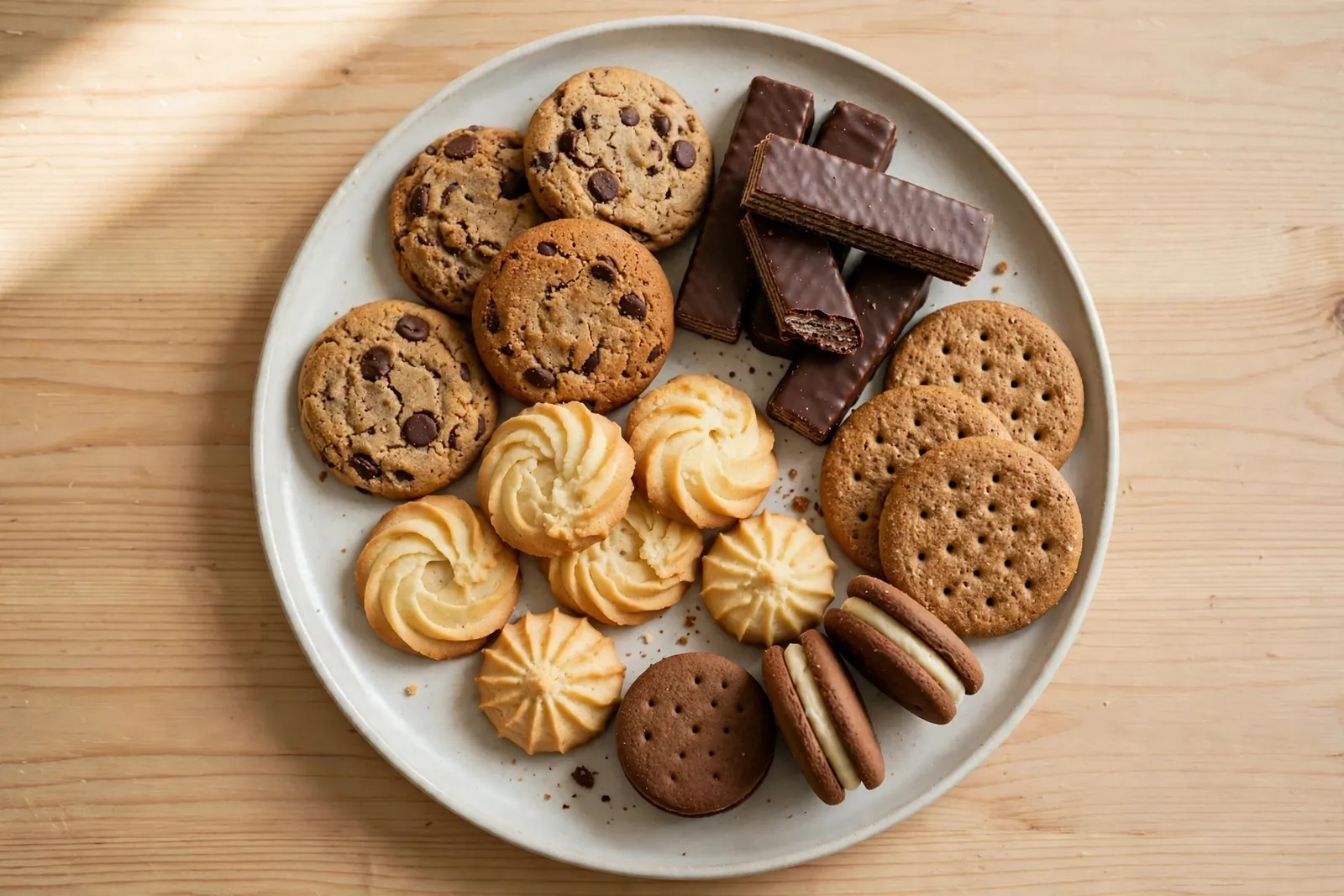
Walk down the biscuit aisle of any big Karachi supermarket and you will see two different worlds on the same shelf. On one side sit the local packs you grew up with, cheap and familiar. On the other sit the imports: Oreo, McVitie's Digestives, Lotus Biscoff, LU Petit Beurre, Danish butter cookies in their blue tins. They cost more, sometimes a lot more, and the question is always the same: are they worth it? Some are, some are not. This guide compares the imported biscuits and cookies you will actually find in Pakistan, by type, so you can spend on the ones that earn it.
In this guide:
- Why Some Imports Are Worth the Premium
- Chocolate Biscuits: Oreo, Choc Chip and Wafer Bars
- Butter Cookies and Shortbread: The Chai Companions
- Digestives and Tea Biscuits: The Everyday Dunkers
- Cream Sandwiches and Filled Biscuits
- How to Spot a Genuine Pack
- Storing Biscuits in Karachi Heat and Humidity
- Which Ones Should You Buy First?
Why Some Imports Are Worth the Premium
An imported biscuit costs more for reasons that have nothing to do with snobbery. Duty, freight and careful handling all add up before the pack reaches a Karachi shelf, and the maker is usually working with real butter, real cocoa and recipes refined over decades. That shows up in the eating: a good butter cookie tastes of butter, not cheap shortening, and a proper chocolate biscuit has cocoa you can taste, not brown colouring doing the work.
But not every import earns its price. Some are ordinary biscuits in fancy foreign packaging, and a few are old stock that has lost its crunch on the long journey here. The trick is knowing which types benefit most from imported quality. Chocolate and butter lead the list. Plain tea biscuits sit at the bottom of it, because a simple wheat biscuit is hard to get badly wrong, wherever it is made.
Chocolate Biscuits: Oreo, Choc Chip and Wafer Bars
Chocolate is where imports shine brightest. Oreo is the obvious starting point: the dark cocoa biscuit with its sweet cream centre has a flavour no local copy has matched, and the twist-and-lick ritual has made it a lunchbox favourite across Pakistan. Buy sealed packs, not loose biscuits sold by weight: loose stock goes stale fast in our climate.
Chocolate chip cookies are the next tier. The imported versions use real chocolate chips that hold their shape and melt properly, while cheaper copies use chocolate flavoured drops that taste waxy. Chocolate coated wafer bars round out the category: thin wafers layered with cream and coated in milk chocolate, light enough for evening chai. They are the most heat sensitive of the lot, so keep them cool from the shop to your cupboard, and eat them before the pack sits open for days.
Butter Cookies and Shortbread: The Chai Companions
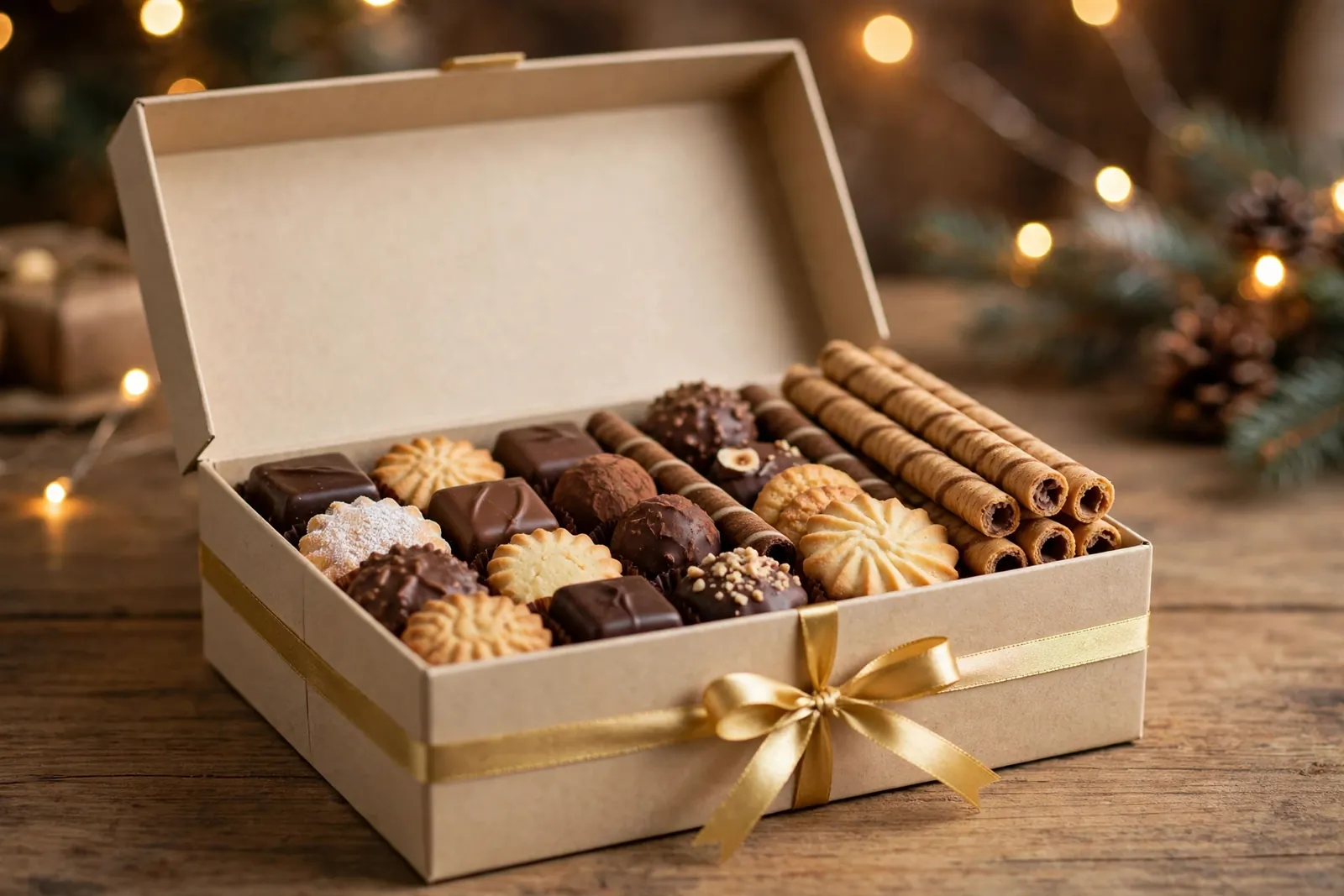
If chocolate biscuits are the fun purchase, butter cookies are the serious one. The Danish butter cookies that arrive in round blue tins are the classic example: crisp, rich, and unmistakably buttery, with the piped rosettes and pretzel shapes that have become a gift staple in Pakistan. Many families keep the tin long after the cookies are gone: it is bought as a gift as much as a snack.
Shortbread belongs in the same conversation. True shortbread is just butter, sugar and flour, so there is nowhere for cheap ingredients to hide. The imported versions taste clean and crumbly, melting on the tongue instead of turning to paste. One practical note: butter cookies go rancid faster than any other type in our heat. Once opened, finish them within a couple of weeks and keep the lid tight. If a butter cookie smells sharp or tastes soapy, the butter has turned, and no amount of chai will save it.
Digestives and Tea Biscuits: The Everyday Dunkers
Digestives are the workhorse of the British biscuit world, and McVitie's is the name most Pakistani shoppers recognise. The appeal is simple: a wheaty, slightly sweet biscuit that holds together when dunked in chai, with a texture that is firm rather than crumbly. The chocolate coated version is the real upgrade: the chocolate adds richness the plain base lacks.
Plain tea biscuits like LU Petit Beurre play a similar role. They are light, buttery and deliberately simple, made for dunking rather than for eating on their own. If you already like a local digestive, the imported version is a small upgrade, not a revelation. Buy one pack to compare, then decide whether the gap is worth paying for every time. Many households keep local digestives for daily dunking and save imports for weekends and guests.
Cream Sandwiches and Filled Biscuits
Cream sandwich biscuits live or die on the filling. The good ones use a smooth, vanilla or chocolate cream that stays soft inside a crisp biscuit shell, so each bite gives you crunch and then cream. The bad ones use a hard, sugary filling that tastes of nothing much and sticks to your teeth. Imports generally get this right.
Filled biscuits also travel better than most people expect, as long as the pack stays sealed. The cream layer actually protects the biscuit from humidity for a while, which is a real advantage in Karachi. Once opened, though, the clock starts: the biscuit softens and the cream picks up fridge smells if you store the pack badly. Small packs beat big packs here, because you finish them before the texture turns.
How to Spot a Genuine Pack
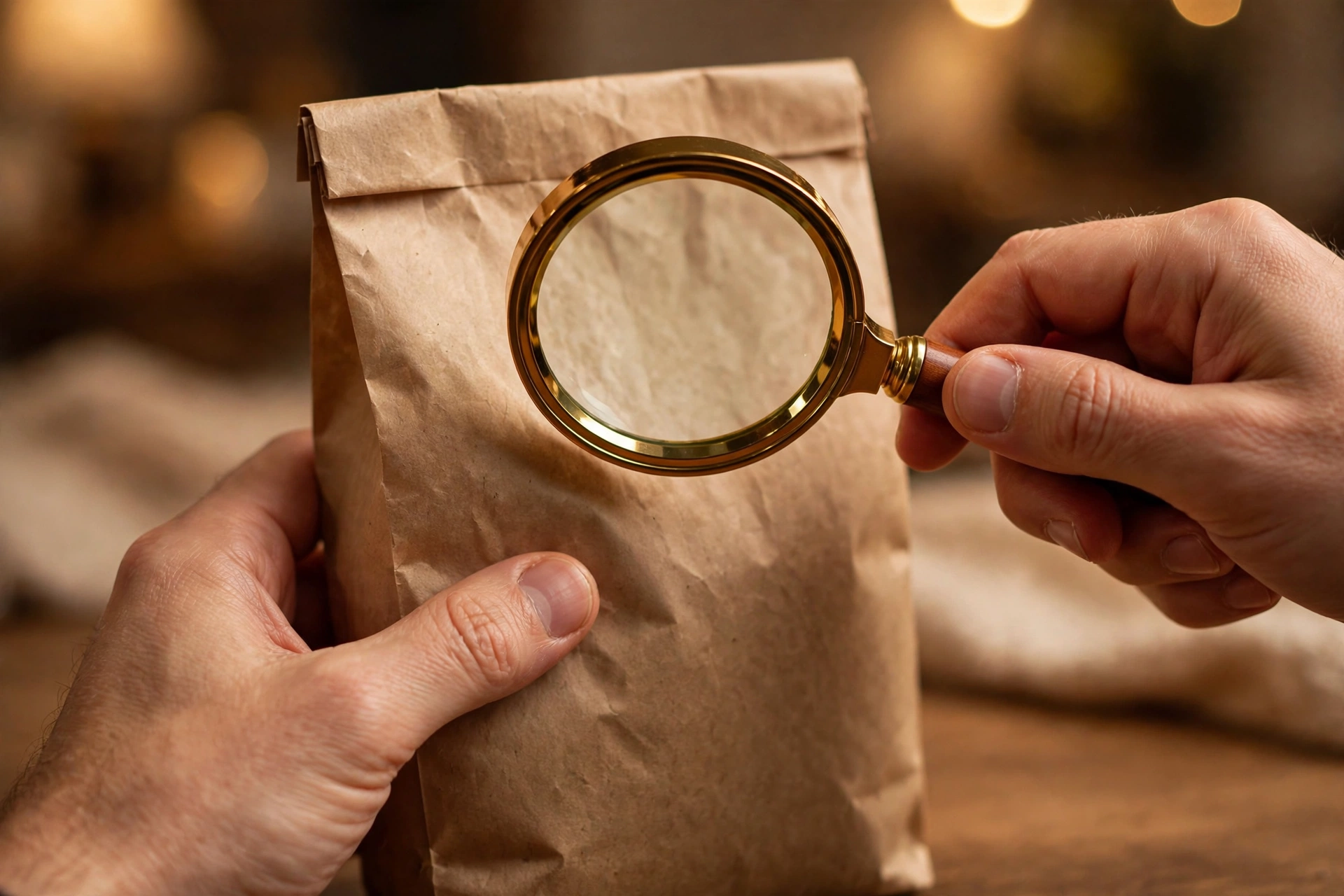
Imported biscuits are faked and repacked in Pakistani markets just like the imported coffee and cat food we have covered before, so apply the same discipline here. A genuine pack has sharp, even printing with no spelling mistakes, a factory sealed edge that is straight and even, and a printed expiry date with months of life left. The batch code should be crisp, not smudged or hand stamped, and it should sit near the seal or beside the expiry date.
Check the weight and the feel. Counterfeit packs are often underfilled or use thinner film that crinkles differently. If the biscuits inside rattle loosely in a pack that should be full, something is off. Smell the pack when you open it: genuine biscuits smell of butter, cocoa or vanilla, while stale or fake stock smells flat, dusty or faintly chemical. Our guide to spotting fake imported products walks through the same six checks in detail, and every one of them applies to biscuits as much as to cat food.
Storing Biscuits in Karachi Heat and Humidity
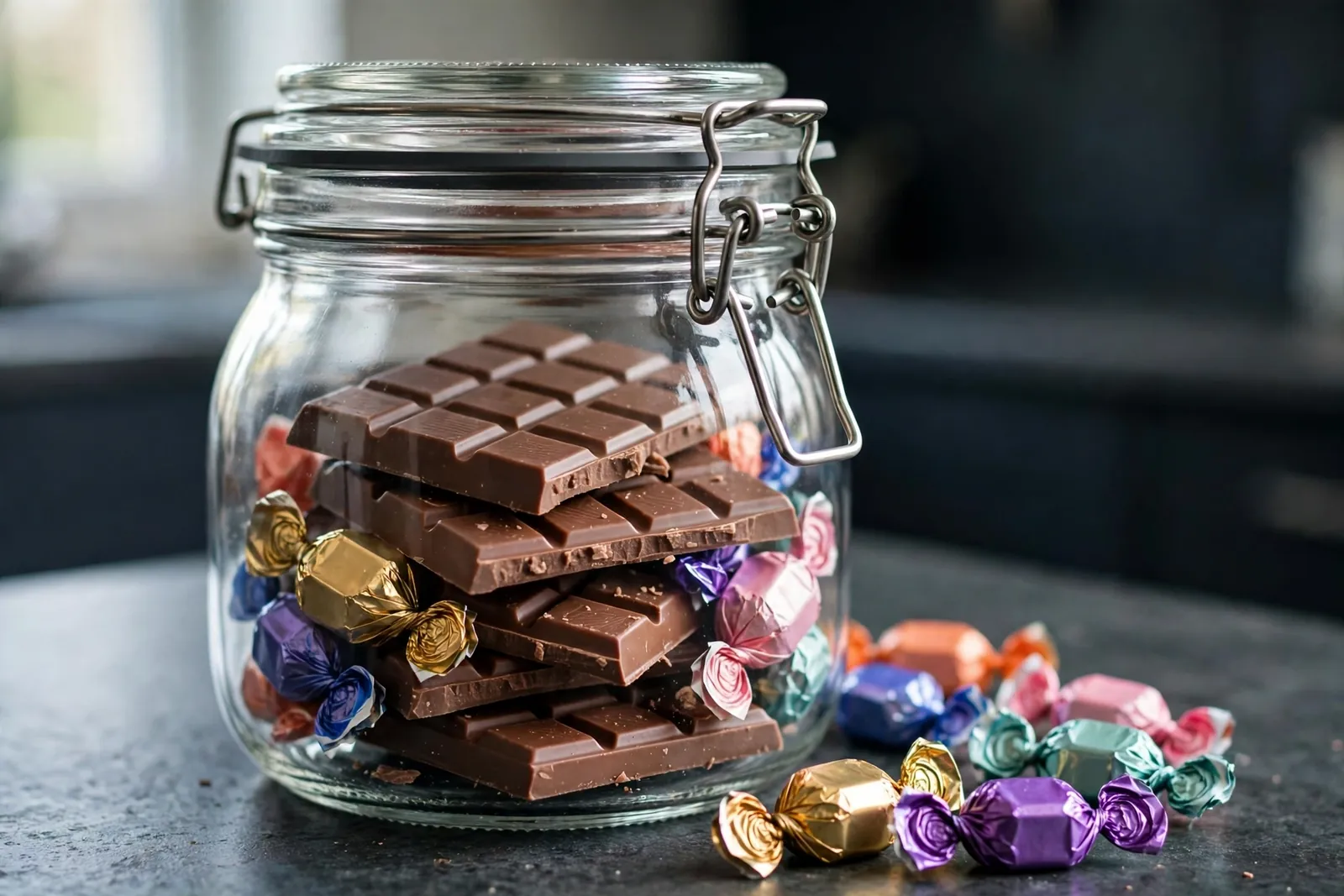
Karachi is hard on biscuits. Heat softens chocolate coatings, humidity turns crisp biscuits chewy, and monsoon air can stale an opened pack in days. The fix is the same routine that protects our imported jellies and candy: airtight containers in a cool dark cupboard, and small quantities opened at a time.
Do not refrigerate plain biscuits. The fridge adds moisture every time the pack warms up again, and cold biscuits taste muted. The exception is chocolate coated biscuits in peak summer: a sealed container in the fridge keeps the coating intact, as long as you let the biscuits sit out for ten minutes before eating. Read our guide to storing imported sweets in Karachi heat for the full routine, because everything in it applies to biscuits too. Buy in amounts you will actually finish.
Which Ones Should You Buy First?
If you are buying imported biscuits for the first time, start with three packs: a chocolate biscuit like Oreo, a butter cookie tin, and a packet of chocolate digestives. Between them you cover the three flavours imports do best, and within a week you will know which one your household reaches for most.
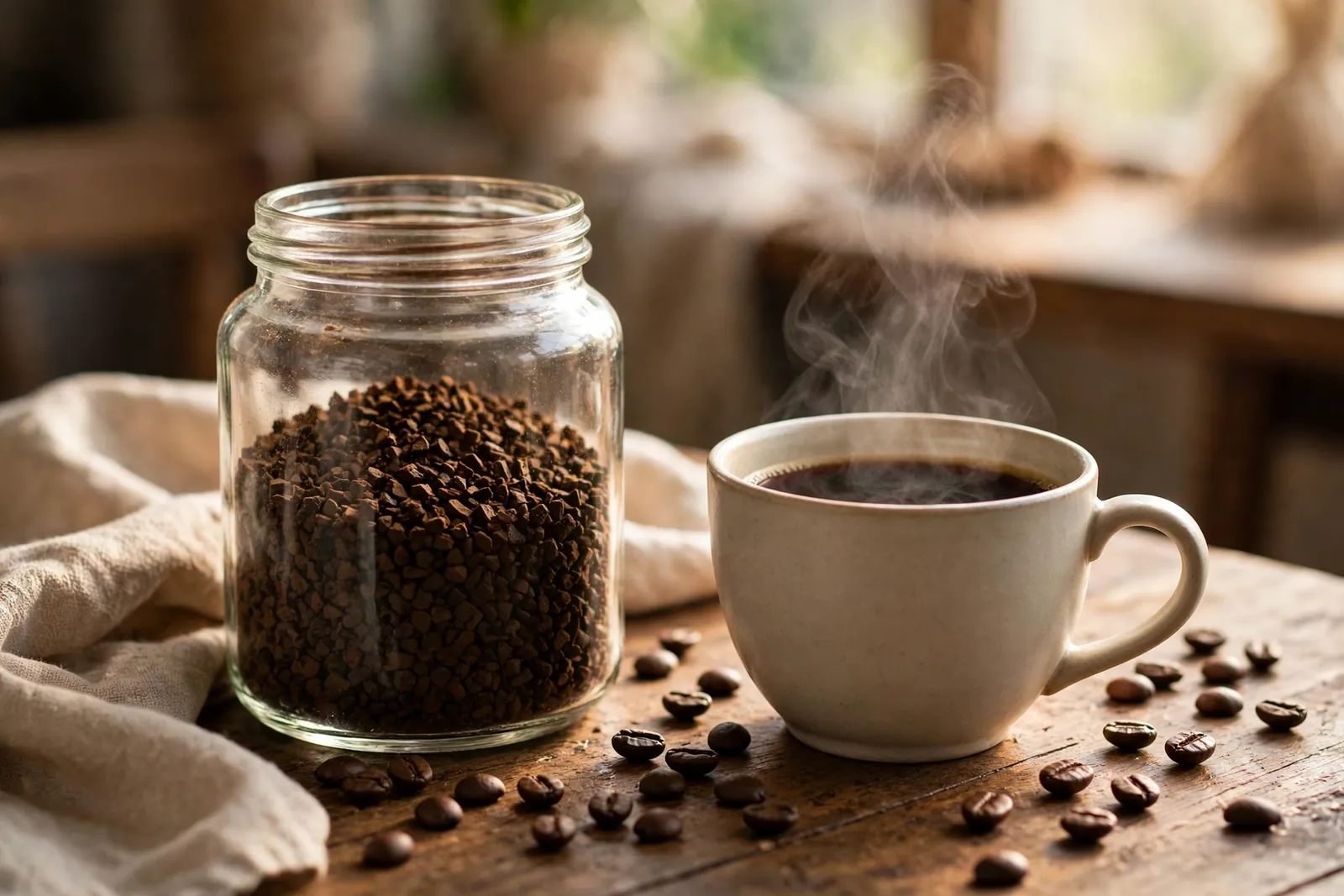
Pair them well and they taste even better. Butter cookies and shortbread love a proper cup of coffee, so browse our coffee range or read the Movenpick coffee guide to match a blend to your biscuit. Chocolate biscuits go with cold milk for kids and strong doodh patti for adults. Browse the full shop to see everything we import, or message us on WhatsApp at 0337 3698048 and tell us what your family likes: we will help you pick biscuits that survive the season and suit your chai.
Frequently Asked Questions
Which imported biscuits are worth buying in Pakistan?
Chocolate biscuits and butter cookies give you the biggest flavour gap over local versions, so start there. Digestives and plain tea biscuits are a smaller upgrade: good, but worth comparing against your local favourite before you commit to the import every time.
How can I tell if imported biscuits are genuine?
Check for sharp, even printing with no spelling mistakes, a straight factory sealed edge, a crisp batch code near the seal, and a printed expiry date with months of life left. Underfilled packs, loose rattling biscuits and flat or chemical smells are warning signs. Buy from sellers who welcome verification and offer cash on delivery.
Do imported biscuits go stale faster in Karachi?
Opened packs do, because heat and humidity attack crispness fast. Keep biscuits in airtight containers in a cool, dark cupboard, open small packs at a time, and finish opened butter cookies within a couple of weeks. Sealed packs keep well to their printed expiry date.
Should I refrigerate biscuits in summer?
Only chocolate coated biscuits, and only in a sealed container, so the coating does not melt. Plain biscuits do better at room temperature in an airtight jar, because fridge moisture softens them every time the pack warms up. Let chilled biscuits sit out ten minutes before eating.
What biscuits go best with chai?
Digestives and Petit Beurre are the classic dunkers: firm enough to survive a dip in doodh patti. Butter cookies and shortbread suit black tea and coffee, while cream sandwich biscuits work as a desk drawer snack with afternoon chai. Match the biscuit to the drink and both taste better.